The Business of Video Production
My Journey to Running a Video Production Company Part 2
The short version
- Expect the creative path to include difficult periods and changes of direction.
- Combine creative ambition with commercial responsibility.
- Notice what your experience is teaching you and when it is time to move on.
Most video producers take a few turns before finding the work that suits them. In this podcast episode, I shared Part 2 of mine. But rather than recap the episode here, I want to draw out some practical lessons you can apply to your own career or business, whether you're just getting started or pushing through the next growth phase.
These are the kinds of lessons you don’t learn in a course. You learn them by doing, by failing, by reflecting. And hopefully, by hearing someone else’s story and recognising a little of your own.
Listen to this episode
Listen on Spotify1. The Creative Path Will Test You
When the head of my film school stood in front of our class and said, "This year will probably break you," I didn’t take it seriously. But she was right. The creative path will test you emotionally, financially, and mentally. I had to reconsider a lot of what I’d expected from the course and the industry.
Takeaway: Expect difficulty. Creative work can be difficult, and you will learn from those difficulties.
2. Watch Out for Bitterness. It’s Contagious
Not everyone who teaches wants to be teaching. Some are there because the industry was too hard to survive in. That resentment can seep into a culture and quietly lower your standards. I saw it early, and I knew I didn’t want to go down that path.
Takeaway: Protect your mindset. Surround yourself with people who are building, not just reminiscing or resenting.
3. Commercial Work Is Not a Compromise
At some point, I realised I didn’t need to pursue the path of an artist to feel fulfilled. I enjoyed the work. The structure, the deadlines, the collaboration. I liked solving problems for clients. Choosing a commercial path wasn’t selling out. It was building a sustainable creative life.
Takeaway: Don’t let outdated definitions of success limit you. Making useful work for clients can be satisfying.
4. Know When to Let Go
Saying goodbye isn’t always easy. Whether it’s to a business partner, a client, or an old idea of who you were. But sometimes, the thing holding you back is the thing you’re scared to let go of. I walked away from a potential business partnership because I knew I was more committed than he was. That decision shaped everything that followed.
Takeaway: Trust your instincts. If something or someone is holding you back, be willing to move on.
5. Draw From Life, Not Just Technique
The film that got me into film school wasn’t technically perfect. But it had an authenticity and uniqueness because it was drawn from my own stories from travel, odd jobs, and conversations with strangers. Clients don’t just hire you for filmmaking skills. They hire you to tell stories that connect. And great stories come from living fully.
Takeaway: Step away from the screen. Live. Travel. Talk to people. Pay attention. Then bring that richness back to your work.
6. Balance Dream and Engine
I called my business Dream Engine, and the name still holds meaning. Dream is the creativity, emotion, and vision. Engine is the discipline, structure, and systems that make it run. A successful production company needs both.
Takeaway: Don’t just chase inspiration. Build the systems that let your creativity thrive.
7. There’s Power in Naming Things
I went through several name ideas before settling on Dream Engine. At first, it didn’t even feel quite right. But over time, it grew in meaning. It reminded me of what I was building and why. Naming something gives it identity. It turns an idea into something you can commit to.
Takeaway: Don’t underestimate the power of choosing a name, a theme, or a phrase. It can help you stay grounded when things get hard.
Final Thought:
There is no single path into video production. Mine was winding. Yours will be too. But the lessons are there if you’re paying attention.
Your turn:
Looking back at your own career, which decisions taught you something you still use?
Next steps: If you’re interested in working with me within the supportive structure of a business mastermind, check it out, and you’ll know if it’s for you.
Ryan Spanger
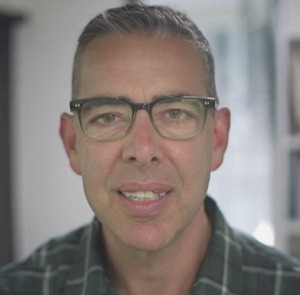
I’m a filmmaker, business owner and coach. In 2002, I started my video production business, Dream Engine. Having built Dream Engine into a well-established national business, I mentor video production company owners, helping them grow their businesses with confidence.
More about Ryan More articles by RyanFree resource
The Business of Video Production Framework
A practical way to look at your business and decide what to work on next.
Get the free FrameworkSign up to receive it by email.